Someone needs blood. One WhatsApp message gets people moving.
LifeDrop turns the urgent “does anyone know a donor?” message into a clear path to a verified volunteer nearby — with MTN MoMo handling the coordination.
This story started with Ayodah: 400+ people raised their hands to donate, and 310 donations made it to patients since 2022.
A request comes in. A nearby donor says yes. The whole story stays in one chat.
The chapter before LifeDrop
Before the chatbot, there were phone calls, donor drives, and a lot of people saying yes.
400+
people who joined the donor community
310
donations that reached patients
3
hospitals that worked alongside us
5+
NGO partners who helped the network grow
Winner — Silicon Mountain Challenge 2022
A proud little milestone for a very real community effort.
Those numbers belong to Ayodah, our first platform. LifeDrop carries its people, trust, and hard-earned lessons into WhatsApp.
Live prototype · a peek at the Buea pilot experience
Take it for a spin. There is nothing to install.
Step into the story as a donor or a family: answer a few questions, make a match, handle the MoMo coordination, and see how the solidarity waiver keeps the door open.
A real person, properly checked
Before anyone gets the “can you help?” message, a partner hospital screens their health and confirms their blood type.
No mystery requests
We check with the ward first, so a donor never crosses town for a request that cannot be confirmed.
Money does not end the story
If a family cannot cover the coordination fee, the Solidarity Access Fund quietly steps in.
How we got here
First we built an app. Then our community taught us where the real front door should be.
Chapter one: Ayodah — 2022
We called our first idea Ayodah. It began as a website, grew into a mobile app, and sent us into donor drives and hospital wards across Buea. There were branded shirts, long days, nervous families, generous donors — and a Silicon Mountain Challenge win that made the whole team grin.
Then the community showed up
More than 400 donors joined. Together, we helped coordinate 310 successful donations with 3 hospitals and 5+ NGO partners. Behind every number was a person who paused their day and chose to help someone they might never meet.
The awkward bit: the app got lonely
People still cared. They just did not want another app sitting on their phone for the one or two moments a year they might need it. Donors signed up, closed Ayodah, and carried on with life. Slowly, the busy little network we had built became far too quiet.
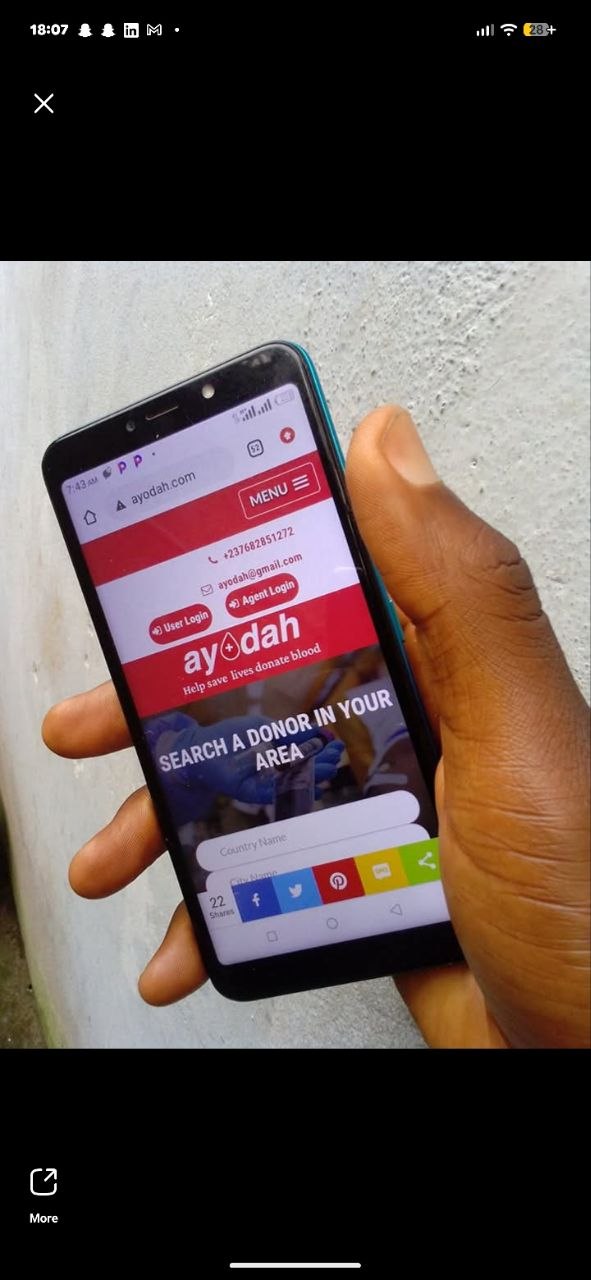
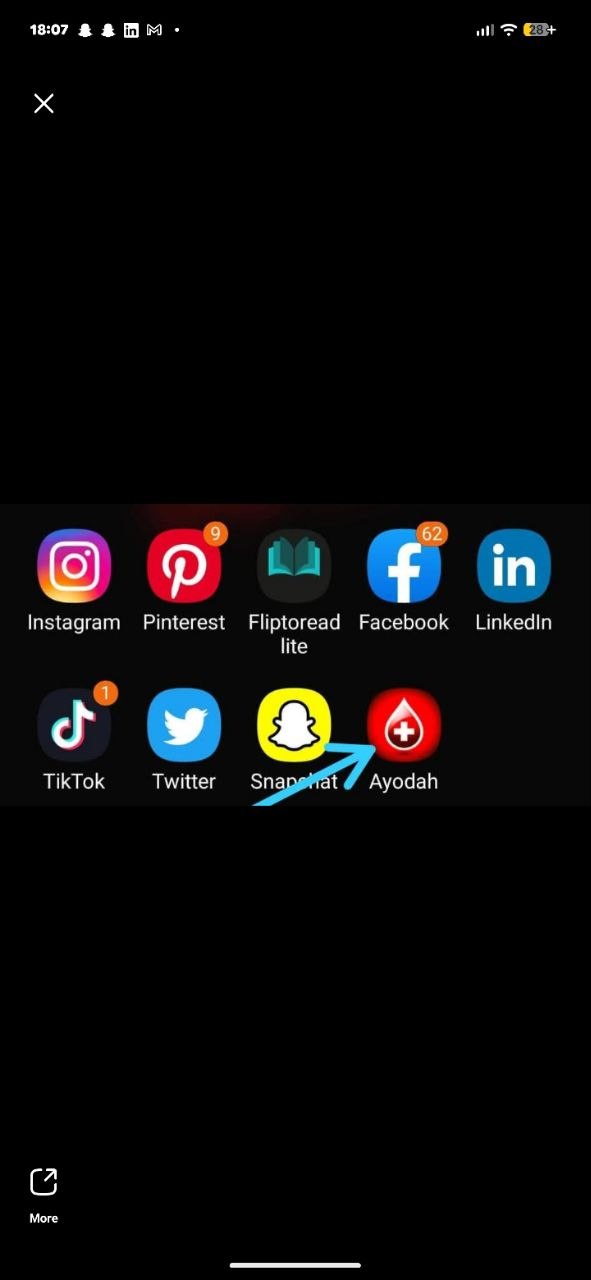
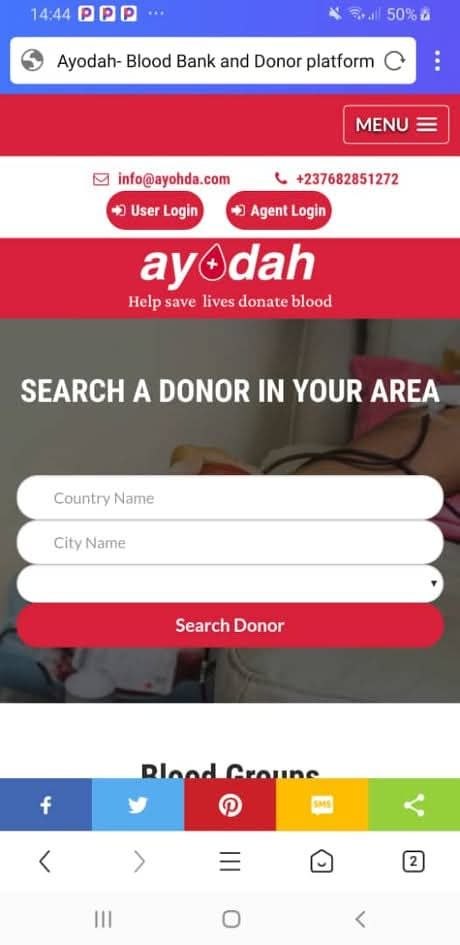
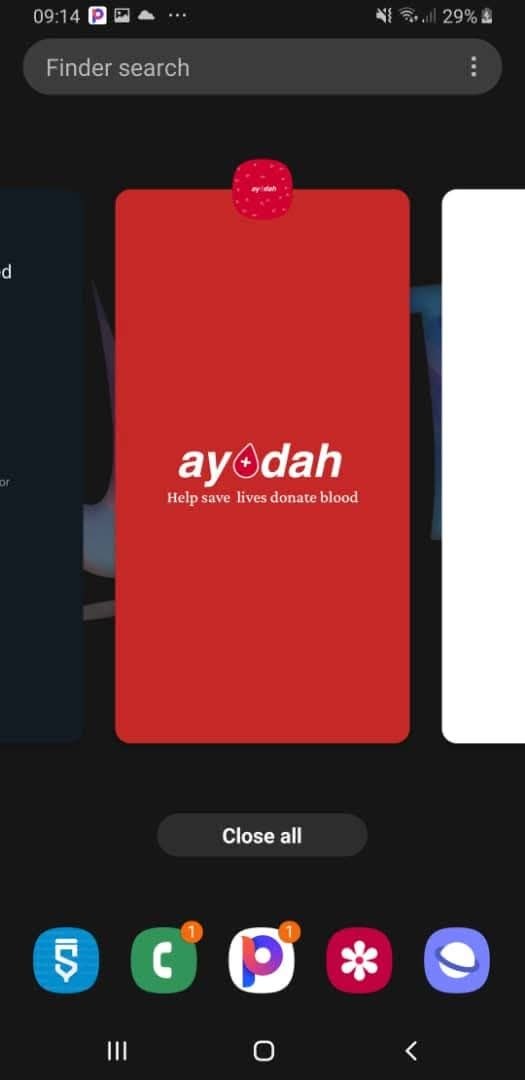
Ayodah website in the wildAyodah joins the home screenSearching for a nearby donorThe Ayodah app ready to reopenMeet the original Ayodah: a website, an app icon, and our first donor-search flow. We are proud of this chapter — and honest about what it taught us. The best tool is the one people remember to open.
Meanwhile, WhatsApp kept buzzing
The app was quiet, but our messages were not. “Do you know an O– donor?” kept landing in our personal chats at breakfast, during work, and late at night. The need had not disappeared. It had simply chosen its own front door.
“We kept asking people to come to our app. They kept asking us for help on WhatsApp. Eventually, we stopped arguing with them and moved.”
Chifen Sama Nduma — Founder & CEO, registered nurse
Chapter two: LifeDrop
So we moved the front door. LifeDrop brings Ayodah’s donor community, hospital relationships, and hard-earned lessons into WhatsApp, with MTN MoMo underneath. The mission stayed the same. The experience finally feels like the way people already ask for help.
Add photo: assets/images/ story-team-shirt.jpgLaunching the Ayodah campaign — “A better access to blood donor.”Add photo: assets/images/ story-drive-team.jpgThe volunteer team on a donor drive in Buea.Add photo: assets/images/ story-ward.jpgA completed donation at the ward (S4.B2) — the request slip that meant a patient got blood.Real photos from the Ayodah years, 2022. Confirm exact places and dates in the captions before publishing, and keep written consent for any recognisable face.
From the field
The story has muddy shoes, ward corridors, and plenty of red T-shirts.
These are real moments from the Ayodah years: donor drives, ward visits, and volunteers who kept showing up. As we gather consented stories, this space grows with voices in English and Pidgin too.
Add photo: field-ward.jpgBuea · 2022A donation at the ward (S4.B2) — request form in hand, a patient gets blood.Add photo: field-drive.jpgDonor driveVolunteers signing up donors across Buea.Add photo: field-outreach.jpgWith partnersCommunity outreach alongside a partner organisation.
How it works
Five small steps. One very human yes.
From a donor’s first hello to the hospital follow-up, the conversation stays easy to find.
01
A donor raises a hand
A few health questions lead to a free screening at a partner hospital.
02
A family asks for help
We call the ward and confirm the details before a single donor is disturbed.
03
LifeDrop finds the right people
Blood type, distance, and eligibility narrow the search; donors answer yes or no with one tap.
04
MoMo handles the coordination
If the fee is out of reach, the solidarity fund covers it. The search keeps going.
05
The donor shows up
The hospital takes over the medicine. We check in, say thank you, and close the loop with care.
Blood is collected, tested, and transfused only in licensed hospitals. LifeDrop makes the introduction; clinicians handle the medicine.
Why the green chat bubble won
People already know where to tap. LifeDrop simply meets them there.
Ayodah taught us that the cleverest feature means little inside an app nobody remembers to open. The urgent messages were already arriving on WhatsApp, so LifeDrop made itself at home there.
No new app to babysit
No download, forgotten password, or update waiting at the worst possible moment.
Kind to data bundles
The flow is mostly text, so it stays useful on an everyday Android phone and an uncooperative signal.
English & French
The whole conversation speaks both, because Cameroon does. Help should not wait for a translation.
A quiet safety net
When money says “stop,” the Solidarity Access Fund says “keep looking.”
A family who cannot afford the coordination fee still gets the same search, the same speed, and the same care. There is no second-class queue, and the donor never needs to know who paid.
Three streams keep the safety net strong:
Families who can add a little extra pay the kindness forward.
NGO and funder partners help carry more families.
Every paid coordination sets aside a fixed share.
1 in 5
Our Buea pilot goal: fully cover at least one in every five coordinations.
Built on familiar rails
WhatsApp starts the conversation. MTN helps it move.
MoMo keeps payment simple
The requester approves each coordination payment with their own PIN and receives a traceable receipt.
Familiar channels, less friction
Donors and families stay on the services they already open every day, using a network they already know.
A community ready to show up
MTN’s YaMo community brings together young, connected people who understand the power of answering when someone calls.
The people beside us
Good work travels further when good partners pick up the other end.
3 hospital partners · 5+ NGO partners, several ongoing
Winner — Silicon Mountain Challenge, 2022
A bright moment from Ayodah, the first chapter of this story.
HETEFA
BEGARH
CAMIHN
COHAN
HATS Agrotech
VIAC
HETEFA
BEGARH
CAMIHN
COHAN
HATS Agrotech
VIAC
Organisations that have shared the work with us.
Meet the humans behind the chat
Small team. Big group-chat energy. Very serious about donor safety.
We are nurses, builders, community organisers, and partnership people based in Buea. We have stood in wards with families searching for blood after dark. LifeDrop is the idea we kept returning to because that moment never really left us.
CS
Founder & CEO
Chifen Sama Nduma
Registered nurse & health-tech builder
Chifen brings frontline nursing experience and the stubborn curiosity of a product builder. She keeps the team close to the realities of the ward while leading product, hospital relationships, and donor safety.
JF
Josué Fotseu
Technology & Engineering
Turns complicated bot flows, automations, and payment integrations into conversations that feel simple.